Whitepaper: How to get started with AI for Strategic Analysis Techniques
A CI/MI Practitioners Guide for Using AI in CI/MIby Thorsten Bill
by Thorsten Bill
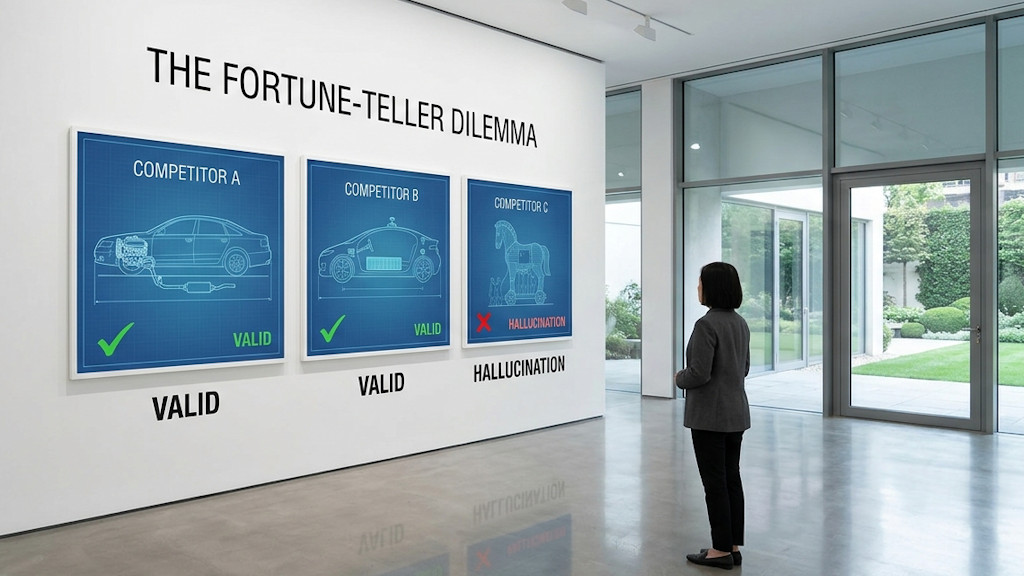
Guess what AI researchers are borrowing to deal with uncertainty, unreliable AI output and hallucinations?
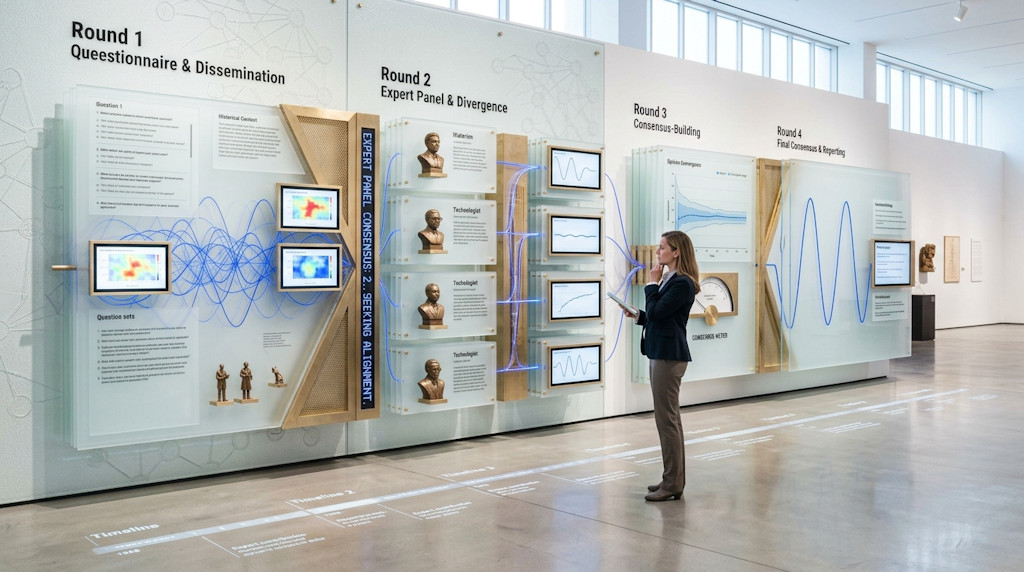
A method CI/MI practitioners already know: Delphi.
by Thorsten Bill
As Competitive and Market Intelligence (CI/MI) practitioners, we face a compounding paradox: blind spots are expanding faster than ever, yet our leadership demands faster strategic clarity on lower budgets.
Every experienced Competitive and Market Intelligence (CI/MI) practitioner has seen it: by Thorsten Bill
You ask a frontier AI model to analyze a market threat, and it hands you a brilliant, 30-page deliverable. The prose is fluent, the structure is clean, and the analytical tables look ready for the board.
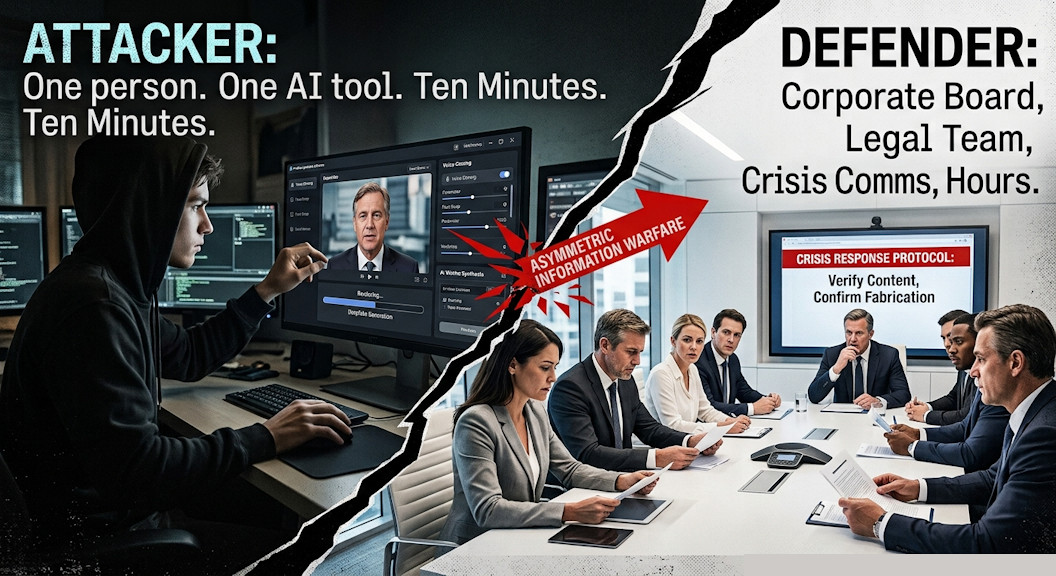
One person. One AI tool. Ten minutes. That's now enough to generate a fake video, a synthetic voice clip, or a fabricated news story convincing enough to move a stock price, spook investors, or unravel a reputation built over decades.
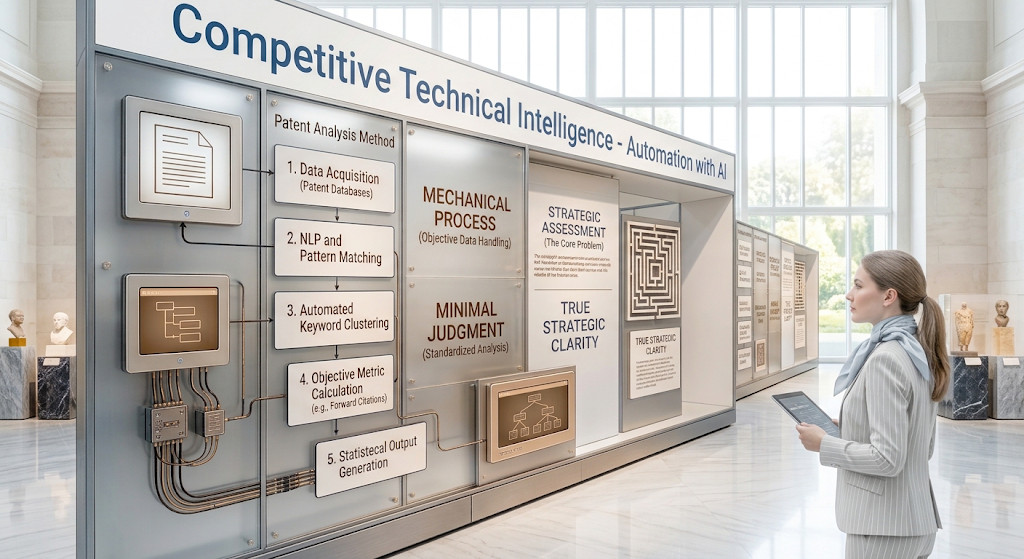
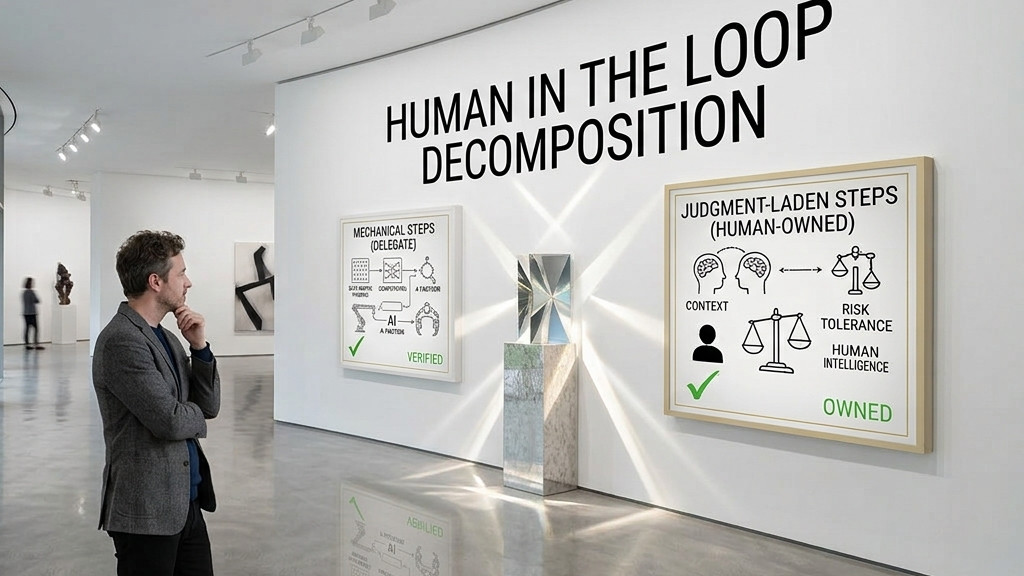
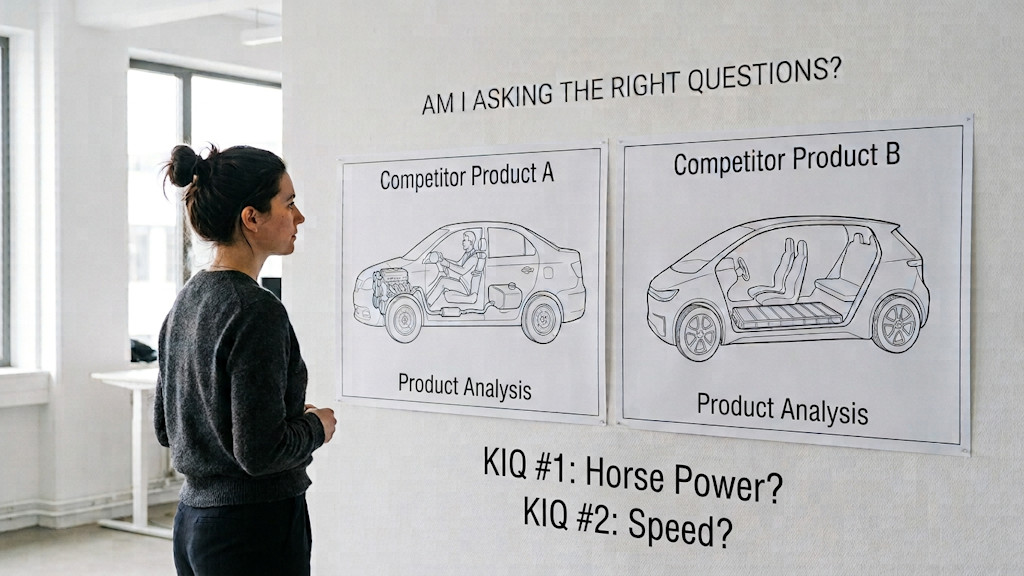
As AI makes many CI/MI analysis steps faster and cheaper, practitioners might reasonably ask themselves: is CI/MI turning into just an AI-prompting task, or will it be absorbed entirely by data science and automation?by Thorsten Bill
Your Team Has the Answer. It Just May Not Reach the Decision.
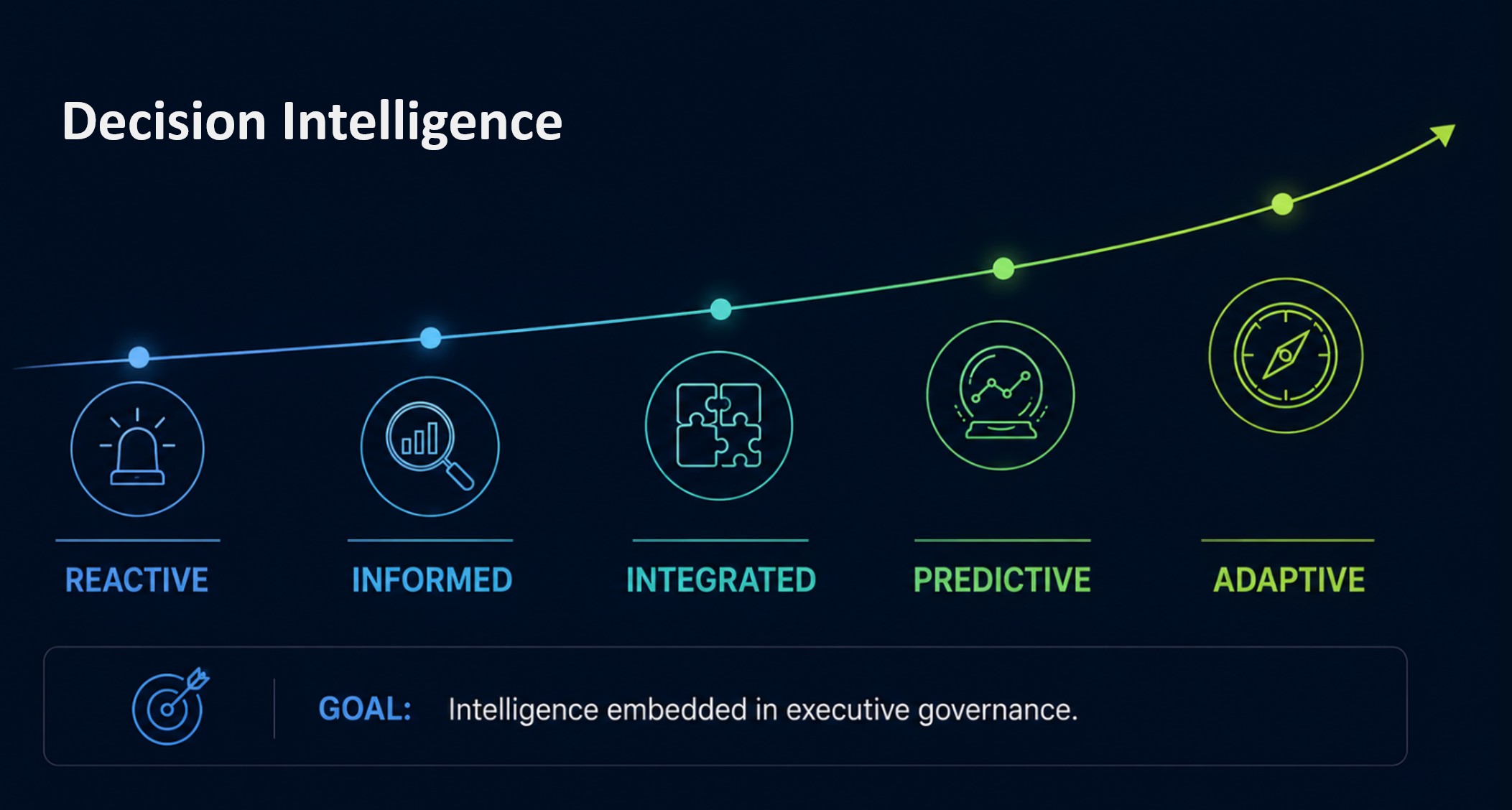
Ask ten people in competitive intelligence to define "Decision Intelligence" and you'll likely get ten different answers — ranging from "a new buzzword for CI" to "an entirely separate discipline involving AI and behavioral science." Neither is quite right, and the confusion has a real cost: it keeps organizations from asking the one question that actually matters.by Thorsten Bill
In an era of AI-driven analysis, the quality of human thinking remains the most decisive factor in competitive and market intelligence. This Fireside Chat explores why structured thinking methods are not optional — they are a professional imperative.
Some might claim that interactive, onsite sessions have reached the end of their shelf life. After all, we live (and learn) in a digital environment where “remote” has become the new normal. Enthusiasts of technology point to AI‑enabled tools and virtual collaboration platforms that promise to raise the efficiency of meetings to new heights.